BE PART OF THE LAND JOURNAL
A place.
A perspective.
A proper story.
Some landscapes deserve more than a small photograph and a list of particulars. We make room for the working life, the details and the people with permission to tell the story.
Introduce your land story ↗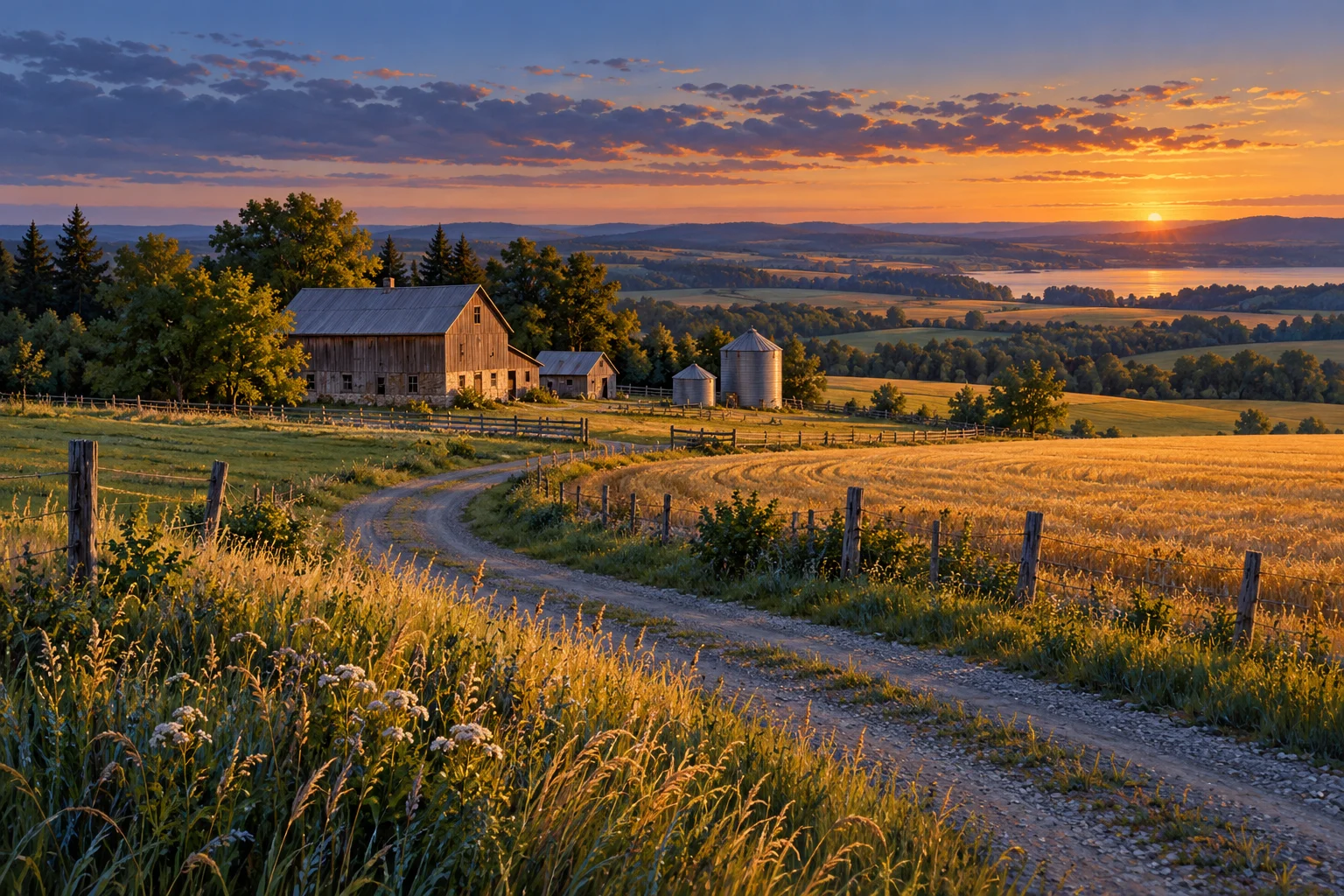
Start with what makes the place worth understanding
A strong land story has a point of view. It might follow the working approach from road to yard, the care behind a shelterbelt, the change from cultivated field to pasture, or the relationship between a building and the land around it. The useful detail is often the one a quick glance misses.
We are interested in a clear account, thoughtful imagery and a reason for the reader to look more closely. There is room for beauty and practical understanding on the same page. A feature should help a reader remember the place and understand something about it.
How a story comes to the page
- The introduction. Tell us the general region, your relationship to the land and the story you would like to explore. Keep private documents and precise property information out of this first message.
- The conversation. We clarify the proposed angle, what can be established, who can speak for the place and which details should remain private. An introduction does not promise publication.
- The land file. Before material is accepted, the relevant permissions, factual particulars and rights to photographs, text and other media need to be documented.
- The presentation. The published page should make its purpose, attribution and any commercial relationship clear. Corrections and changes to availability need a way to reach the publication.
Editorial features
An editorial story is selected for its value to readers. It may explore a landscape, a documented practice or a way of understanding agricultural land. The writing must distinguish what was observed, what was supplied by a contributor and what supporting records establish. A feature is not an assessment of the property or a promise about what it can produce.
Editorial selection and conclusions remain with the publication. A payment or a property enquiry does not purchase an editorial endorsement. Where a person contributes to a story, the attribution should reflect their actual contribution rather than an invented profile or quotation.
Property advertisements
A property advertisement is a separate, clearly labelled commercial presentation. It requires an owner or authorized representative, permission to advertise, rights to the media and a reviewed factual description. The advertiser and enquiry destination are identified. Availability is dated and the presentation has a review or expiry point.
We do not copy another publisher's listing or infer permission from a photograph being publicly visible. An advertising enquiry neither reserves a front-page placement nor establishes a representation agreement. We discuss the actual scope before considering publication.
The detail that belongs in the first message
A useful introduction can be short: a broad region, the kind of working landscape, your connection to it and the detail you think deserves a closer look. We can then discuss whether the proposal is an editorial story or an advertisement and what would be needed next.
Start the conversation ↗Read the journal first
The illustrated essays show our interest in fields, water, edges and working yards. They are original explainers rather than a portfolio of advertised or sold properties. Start with the journeys through a farm, or explore the life of a field edge.